

If you’re choosing a switch for your project, you’ve probably come across DPDT vs SPDT switch comparisons. On paper, the difference looks simple—but in real applications, picking the wrong one can lead to wiring issues, limited functionality, or unnecessary cost.
This guide breaks it down clearly so you can choose with confidence.
1. Quick Answer (For Fast Decision-Making)
- SPDT (Single Pole Double Throw): controls one circuit, switches between two outputs
- DPDT (Double Pole Double Throw): controls two circuits, switches both at the same time
If you only need to redirect one signal → go with SPDT
If you need to control two circuits or reverse polarity → choose DPDT
2. What Is an SPDT Switch?
An SPDT switch has:
- 1 input (common terminal)
- 2 outputs
It allows you to send one signal to either of two paths.
Typical use cases:
- Signal switching
- Mode selection
- Simple ON/ON control
It’s compact, cost-effective, and perfect for straightforward control tasks.
3. What Is a DPDT Switch?
A DPDT switch is essentially two SPDT switches combined into one.
It has:
- 2 independent circuits
- Each circuit can switch between two outputs
What makes it powerful:
- Control two circuits simultaneously
- Reverse polarity (very common in motor control)
- Handle more complex logic with a single button
This is why many engineers prefer a DPDT push button switch when flexibility is needed.
4. DPDT vs SPDT Switch: Side-by-Side Comparison
| Feature | SPDT | DPDT |
| Circuits controlled | 1 | 2 |
| Terminals | 3 | 6 |
| Complexity | Simple | More versatile |
| Cost | Lower | Slightly higher |
| Typical use | Signal switching | Motor control, polarity reversing |
5. When Should You Choose SPDT?
Choose SPDT if:
- You only need to control one circuit
- Space is limited
- You want a simpler wiring setup
- Cost is a concern
Example: switching between two signal sources
6. When Is DPDT the Better Option?
Choose DPDT if:
- You need to control two circuits at once
- Your application involves reversing direction (like motors)
- You want more flexibility for future expansion
Example: forward/reverse control in automation equipment
7. Why Many Buyers Prefer Metal Push Buttons
Whether you choose SPDT or DPDT, the housing matters just as much.
A high-quality metal push button offers:
- Long mechanical lifespan
- Strong resistance to wear and vibration
- Better sealing (ideal for industrial environments)
- A more premium, professional finish
For panels, machinery, or outdoor use, this is often the safer long-term choice.
8. Common Mistake Buyers Make
One of the most common issues:
Choosing SPDT when a DPDT is actually required
This usually leads to:
- Rewiring later
- Adding extra components
- Increased installation time
If your system might expand or requires dual control, it’s often smarter to start with a DPDT push button switch.
9. Choosing the Right Switch for Your Application
Before making a decision, check:
- How many circuits need to be controlled
- Whether polarity reversal is required
- Available panel space
- Electrical ratings (voltage/current)
If you’re working on industrial or outdoor equipment, pairing the right configuration with a durable metal push button is key to long-term reliability.
A Practical Tip from Industry Experience
In real-world projects, many engineers default to SPDT because it’s simpler—but later realise they need more flexibility.
That’s why experienced buyers often evaluate future needs first, not just current requirements.
10. About Reliable Supply
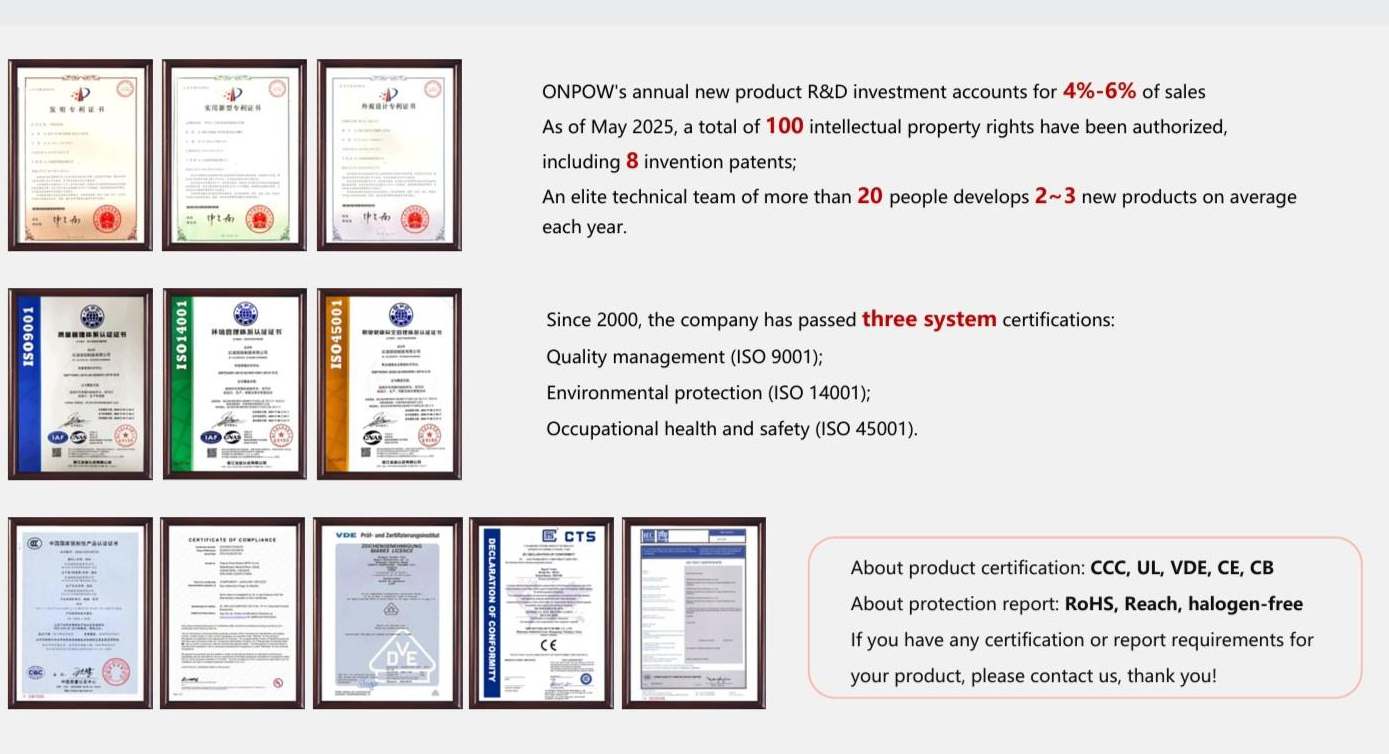
Consistency matters when it comes to switches. Manufacturers like ONPOW focus on producing metal push button solutions with stable contact performance, multiple configuration options (including SPDT and DPDT), and customisation for different industries.
If your application isn’t 100% clear yet, getting input early can save time down the line.
11. Final Thoughts
The difference between DPDT vs SPDT switch isn’t just technical—it directly affects how your system performs.
- Go with SPDT for simple, single-circuit control
- Choose DPDT when you need flexibility, dual control, or reversing capability
If you’re unsure, it’s usually better to think one step ahead—because switching later is always more expensive than choosing right the first time.



