

ONPOW, a front - runner in crafting industrial switching solutions, is excited to introduce its newest innovation: the Ultra - Thin IP68 Push Button Switch. Made to fit the needs of modern compact devices and harsh working settings, this switch merges a smart design, strong durability, and accurate functionality, bringing a fresh standard to industrial parts.
This guide is written from a buyer’s perspective—helping you quickly understand how to choose the right emergency stop switches, where they are used, and which solution best fits real-world new energy applications.
1. What Is an Emergency Stop Switch and Why It Matters
An emergency stop switch (often called an E-stop) is a safety device designed to immediately shut down machinery or electrical systems in hazardous situations.
In the new energy industry, where systems often run continuously under high voltage and outdoor conditions, emergency stop switches are essential for:
- Preventing equipment damage
- Protecting operators from electrical hazards
- Meeting international safety standards
- Reducing downtime during faults
Simply put: when something goes wrong, this is the button that must work—every single time.
2. Where Emergency Stop Switches Are Used in New Energy Systems
Understanding application scenarios helps you choose the right configuration and protection level.
Solar Power Systems (PV)
Installed in inverter cabinets and combiner boxes, emergency stop switches allow technicians to instantly disconnect power during maintenance or faults.
Wind Energy Equipment
Wind turbines operate in extreme environments. Durable emergency stop switches ensure reliable shutdown in high-vibration and outdoor conditions.
Energy Storage Systems (ESS)
Battery systems carry risks like overheating or short circuits. A responsive emergency stop switch is critical for isolating energy quickly.
EV Charging Stations
Public charging infrastructure requires user-accessible safety controls. Emergency stop switches provide a clear and immediate way to stop charging.
3. Key Factors Buyers Must Consider
If you're sourcing emergency stop switches, focusing on the right specifications will save time, cost, and compliance issues later.
1. Certifications (Non-Negotiable)
Look for globally recognized certifications:
- CE (Europe)
- UL (North America)
- VDE (Germany/Europe)
- CCC (China)
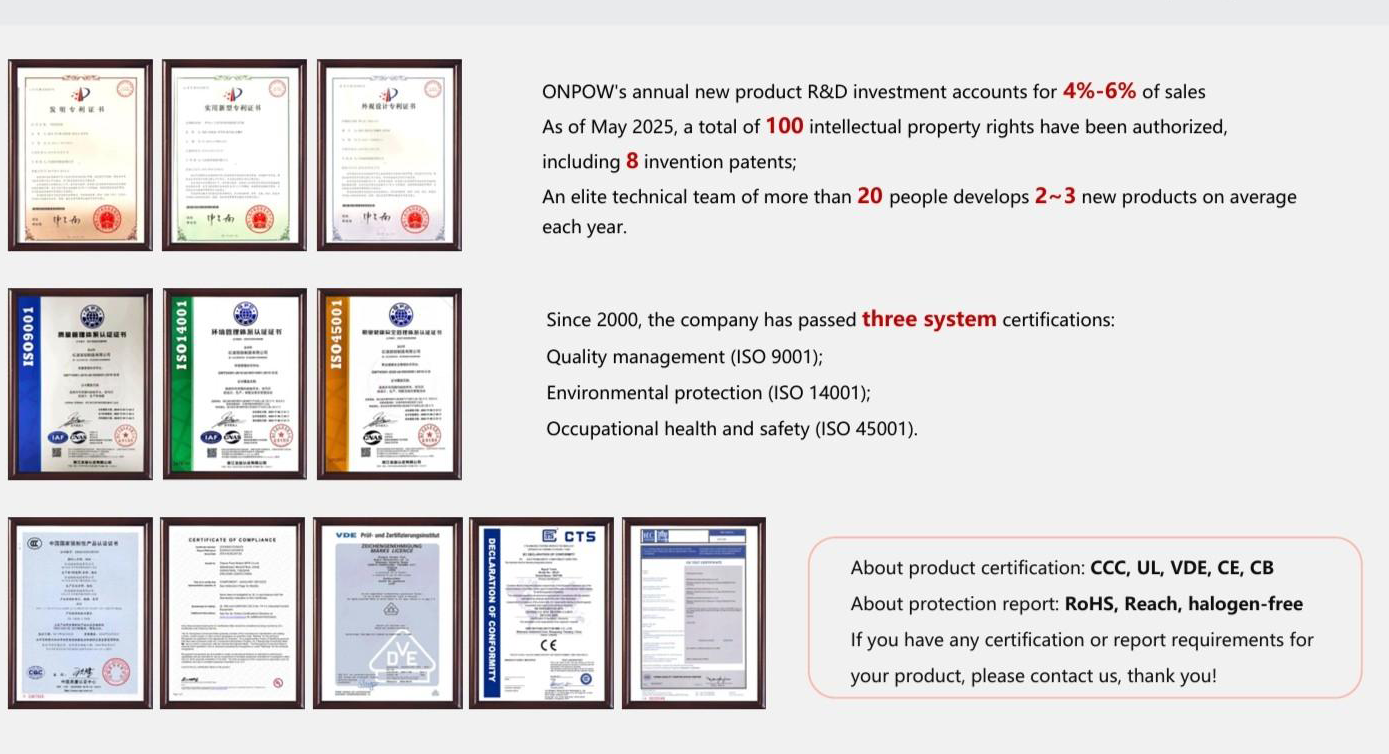
Certified emergency stop switches simplify market access and ensure safety compliance.
2. Protection Level (IP Rating)
Different environments require different protection:
- IP40: Suitable for indoor control panels
- IP65 emergency stop switches: Ideal for outdoor or dusty/wet environments
If your equipment is exposed to weather or industrial conditions, IP65 is highly recommended.
3. Mechanical Reliability
A high-quality emergency stop switch should:
- Withstand frequent use
- Maintain stable performance over time
- Provide consistent actuation force
This is especially important in renewable energy systems that run 24/7.
4. Visibility and Ease of Use
In an emergency, there’s no time to think. The switch must be:
- Easy to locate
- Simple to operate
- Clearly marked
A well-designed emergency stop switch reduces reaction time and improves safety outcomes.
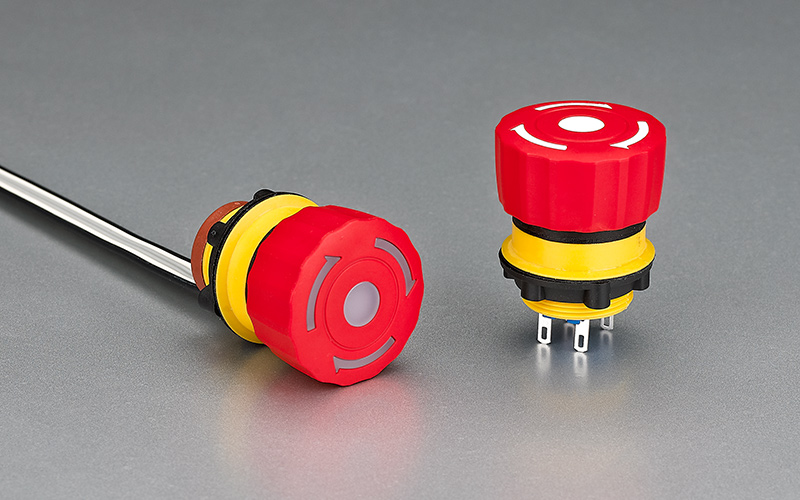
4. Recommended Product: LAS1-APY-11TSB Emergency Stop Switches
For buyers looking for a reliable and certified solution, the LAS1-APY-11TSB series emergency stop switches are a strong fit for new energy applications.
Why This Series Stands Out:
- ✅ Certified with CCC, CE, UL, and VDE
- ✅ Available in IP40 and IP65 emergency stop switches configurations
- ✅ Durable design for industrial and outdoor environments
- ✅ Stable performance for long-term use
- ✅ Designed for fast and intuitive operation
These emergency stop switches are suitable for solar, wind, energy storage, and EV charging systems—making them a versatile choice for manufacturers and integrators.
Common Buying Mistakes (And How to Avoid Them)
Many buyers run into issues not because of price—but because of wrong selection.
Mistake 1: Ignoring IP Rating
→ Solution: Match IP level to your environment (IP65 for outdoor use)
Mistake 2: Overlooking Certifications
→ Solution: Always confirm CE/UL/VDE before purchasing
Mistake 3: Choosing Based on Price Alone
→ Solution: Prioritize reliability and lifespan over short-term savings
Mistake 4: Not Considering Application Scenario
→ Solution: Define where and how the emergency stop switch will be used
How the Right Emergency Stop Switch Improves Your Project
- Faster safety certification approval
- Lower maintenance and replacement costs
- Improved operator confidence and usability
- Reduced risk of system failure
Final Thoughts
A well-selected emergency stop switch is more than just a safety feature—it’s a critical part of your system’s overall performance and compliance strategy.
If you're working on solar, wind, or energy storage projects, the LAS1-APY-11TSB series emergency stop switches offer a practical, certified, and durable solution tailored to real-world needs.


