

When choosing a push button switch, one of the first decisions buyers face is simple but important: illuminated or non-illuminated?
Understanding this difference can save you time, reduce costs, and ensure your product performs exactly as expected. In this guide, we’ll break it down clearly so you can make the right choice for your application.
Illuminated vs Non-Illuminated Push Buttons: Quick Answer
What Are Illuminated Push Buttons?
-
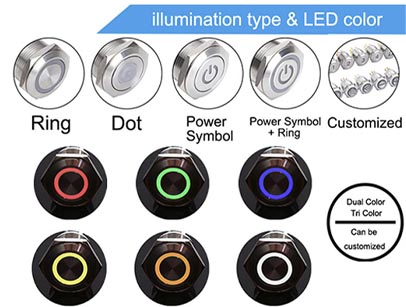
Illuminated push buttons are switches equipped with an internal light source, typically an LED ring, dot, or symbol.
-
Key Features
-
Built-in LED lighting
-
Multiple color options (red, green, blue, white, etc.)
-
Can indicate power status, operation mode, or alerts
-
Available in momentary or latching types
- Why Buyers Choose Illuminated Push Buttons
-
-
Better Visibility
In low-light or dark environments, illuminated switches are much easier to locate and operate. -
Clear Status Indication
The light can show whether a machine is ON, OFF, or in standby mode—reducing user confusion. -
Improved User Experience
Especially important in consumer electronics and modern industrial panels. -
Common Applications
-
Industrial control panels
-
Medical equipment
-
Home appliances
-
Automotive dashboards
-
Smart devices
-
-
-
What Are Non-Illuminated Push Buttons?
-
Non-illuminated push buttons are traditional mechanical switches without any lighting.
-
Key Features
-
Simple structure
-
No power required for lighting
-
Lower cost
-
High reliability
-
Why Buyers Choose Non-Illuminated Push Buttons
-
Cost Efficiency
If lighting isn’t necessary, these switches are more economical. -
Simpler Design
No need to consider LED voltage, wiring, or power consumption. -
Durability in Basic Environments
Fewer components mean fewer potential failure points.
-
-
Common Applications
-
Basic machinery
-
Electrical control boxes
-
DIY projects
-
Environments with sufficient lighting
-
-

Key Differences Between Illuminated and Non-Illuminated Push Buttons
| Feature | Illuminated Push Buttons | Non-Illuminated Push Buttons |
|---|---|---|
| Visibility | High (with LED light) | Standard |
| Power Requirement | Yes (for lighting) | No |
| Cost | Higher | Lower |
| User Feedback | Visual indication | No visual feedback |
| Complexity | More wiring required | Simple installation |
| Application | Advanced / user-facing systems | Basic control systems |
How to Choose the Right Type (Buyer’s Perspective)
If you're unsure which to choose, start with these practical questions:
1. Will users operate the switch in low-light conditions?
-
Yes → Go for illuminated push buttons
-
No → Non-illuminated is sufficient
2. Do you need status indication?
-
Yes → Illuminated is the better option
-
No → Save cost with non-illuminated
3. Is user experience important for your product?
-
High-end equipment → Illuminated
-
Basic machinery → Non-illuminated
4. Are you working with a tight budget?
-
Yes → Non-illuminated
-
Flexible → Illuminated adds value

Common Mistakes to Avoid
-
Ignoring voltage compatibility (for illuminated switches)
-
Choosing based on price only instead of application needs
-
Overlooking installation space (illuminated switches may require more wiring)
-
Not considering IP rating for harsh environments
A Note on Quality: Why It Matters
- No matter which type you choose, quality directly affects performance, lifespan, and safety.
Reliable manufacturers offer:
-
Stable LED performance (for illuminated types)
-
High mechanical life cycles
-
Strong environmental protection (IP65/IP67)
-
Customization options
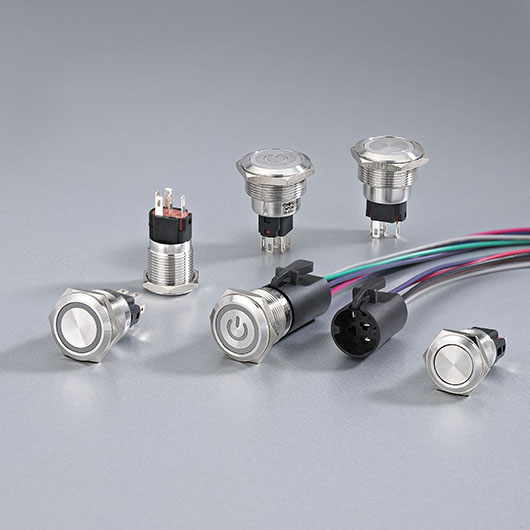
- For example, brands like ONPOW provide a wide range of illuminated push buttons designed for industrial and commercial use, with options for different voltages, colors, and mounting sizes. This makes it easier for buyers to match the switch precisely to their project without compromise.
Final Thoughts
The difference between illuminated and non-illuminated push buttons isn’t just about lighting—it’s about usability, cost, and application fit.
-
Choose illuminated push buttons if visibility, safety, and user interaction matter.
-
Choose non-illuminated push buttons if simplicity and cost are your priorities.
By aligning your choice with your actual application needs, you’ll avoid unnecessary costs while improving overall product performance.



