

When it comes to industrial equipment and control systems, understanding the difference between a stop button and an emergency button is not just a technical detail—it directly affects safety, compliance, and operational efficiency. Many buyers and engineers often confuse the two, which can lead to improper selection or even safety risks.
In this guide, we’ll clearly explain the What is the difference between a stop button and an emergency button? question, while helping you choose the right emergency push button stop for your application.
1.Quick Answer: Stop Button vs Emergency Button
- Stop Button: Used for normal machine shutdown during regular operation.
- Emergency Button (Emergency Push Button Stop): Used to immediately stop machinery in dangerous situations to prevent injury or damage.
If you only remember one thing:
A stop button is for convenience.
An emergency button is for safety.
2. What Is a Stop Button?
A stop button is a standard control component used to halt machine operation under normal conditions. It is commonly found on control panels and is part of the machine’s everyday workflow.
Key Features:
- Used for routine stopping
- Typically flush or slightly raised
- Usually black, white, or gray
- Does not require a locking mechanism
- Integrated into standard control circuits
Common Applications:
- Turning off conveyor belts after production
- Stopping motors during operation
- Pausing automated processes
In short, a stop button is designed for controlled and non-urgent shutdowns.

3. What Is an Emergency Button (Emergency Push Button Stop)?
An emergency button, often referred to as an emergency push button stop, is a critical safety device designed to immediately shut down machinery in hazardous situations.
Key Features:
- Bright red button with a yellow background (international safety standard)
- Mushroom-shaped for easy access
- Latching mechanism (push to stop, twist or pull to reset)
- Directly interrupts power or control circuit
- Designed according to safety standards like ISO 13850
Common Applications:
- Industrial machinery
- Manufacturing lines
- Elevators and escalators
- CNC machines
- Packaging equipment
The emergency push button stop is built for instant response when something goes wrong.

4.Key Differences Between Stop Button and Emergency Button
| Feature | Stop Button | Emergency Button |
| Purpose | Normal operation control | Emergency safety shutdown |
| Urgency | Low | High |
| Design | Standard button | Mushroom head, high visibility |
| Color | Neutral (black/white/gray) | Red with yellow background |
| Mechanism | Momentary or maintained | Latching (must be manually reset) |
| Safety Compliance | Not mandatory | Must meet strict safety standards |
| Circuit Role | Control logic | Direct safety interruption |
4. Why Choosing the Right Button Matters
Using a regular stop button in place of an emergency push button stop can create serious risks:
- Delayed shutdown in critical situations
- Failure to meet safety regulations
- Increased liability in case of accidents
For buyers and engineers, selecting the correct component ensures:
- Operator safety
- Compliance with international standards
- Reliable machine performance
5. How to Choose the Right Emergency Push Button Stop
If you’re sourcing an emergency push button stop, here are the key factors to consider:
1. Compliance Standards
Look for certifications such as:
- ISO 13850
- IEC 60947-5-5
- CE, UL approvals
2. Mounting Size
Common panel cutout sizes include:
- 16mm
- 19mm
- 22mm
- 25mm
Make sure it fits your existing panel design.
3. Reset Method
- Twist release (most common)
- Pull release
- Key release (for restricted access)
4. Contact Configuration
- Normally Closed (NC) for safety circuits
- Multiple contacts for complex systems
5. Protection Level
Choose based on environment:
- IP65 for dust protection
- IP67/IP68 for waterproof applications
Common Buyer Questions
Many buyers focus only on price, but for safety components like an emergency push button stop, reliability is far more important. A failure in an emergency situation is not acceptable—this is where quality and certification truly matter.
About ONPOW Emergency Push Button Stop
- Size, colour, and switch combination can be tailored to your needs.
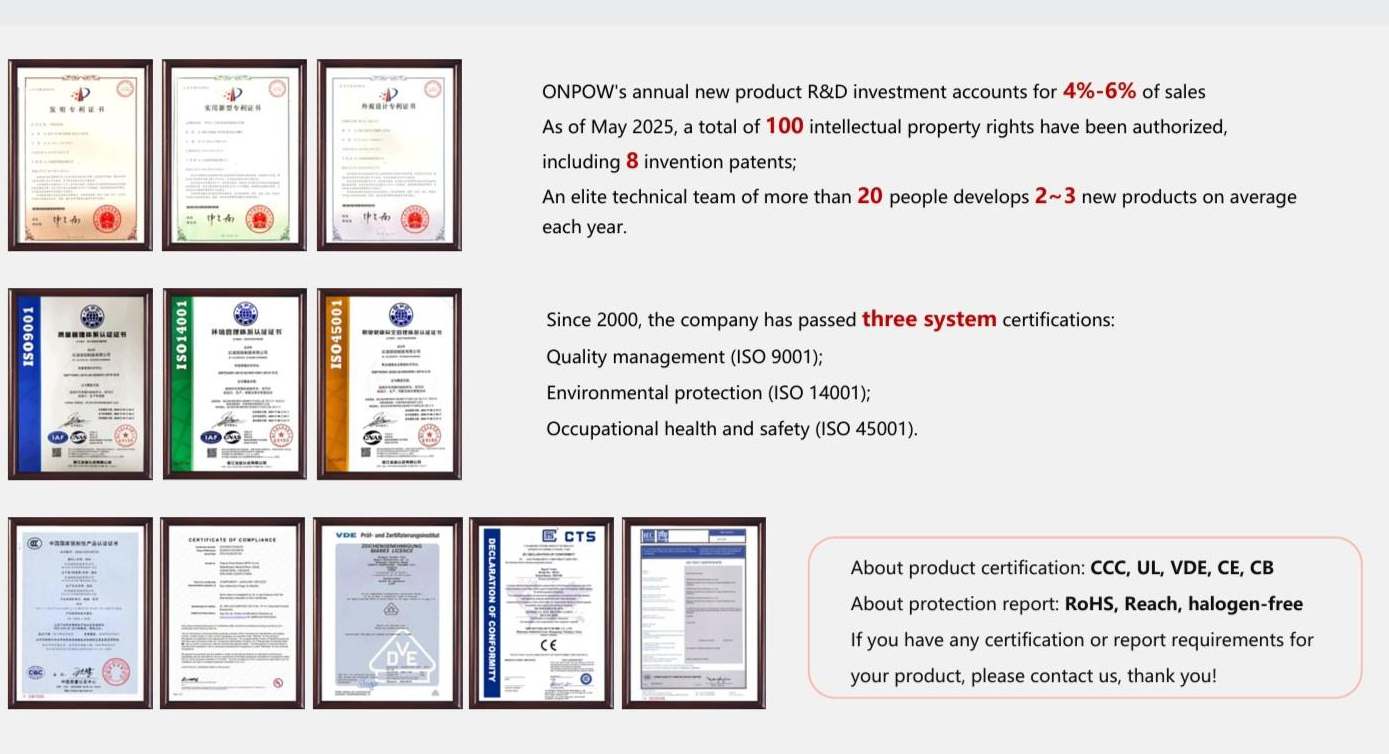
- Certified with CE, CCC, RoHS, and REACH, guaranteeing compliance with global safety standards.
- Housing material is available in metal or plastic, balancing durability and cost efficiency.
This makes them a practical choice for buyers who prioritize both safety and long-term value.
Conclusion
Understanding What is the difference between a stop button and an emergency button? is essential for anyone involved in equipment design, purchasing, or maintenance.
- Use a stop button for everyday control
- Use an emergency push button stop for safety-critical situations
Making the right choice not only improves efficiency but also protects lives and equipment.



