

In industries such as industrial control, equipment manufacturing, home appliances, and electronic devices, push button switches are among the most frequently used control components. Their quality and suitability directly affect equipment stability, operational safety, and user experience. However, with so many types of push button switches available on the market, many buyers overlook key parameters during selection, which can lead to installation issues, mismatched functions, or failures during use.
To help customers make more accurate decisions, we have summarized six key factors based on real-world consultation scenarios. Understanding these points can make procurement and product design more efficient and precise.

1. Mounting Hole Size – The First and Most Critical Factor
The mounting hole size is the primary consideration when selecting a push button switch, as it determines whether the switch can be properly installed. Different equipment panels have different thicknesses and hole specifications, and even small dimensional deviations can lead to loose installation, sealing problems, or an inability to mount the switch at all.
Therefore, before purchasing, it is essential to confirm the panel cutout size reserved on the device and select a switch that matches the required specification. This step ensures smooth installation and is the most fundamental requirement in the selection process.
2.Indicator Color and Operating Voltage for Illuminated Buttons
For illuminated push button switches, the light color and operating voltage must be clearly specified. Illuminated buttons are often used for status indication or operation prompts. Different colors—such as red, green, yellow, blue, and white—typically correspond to different functional indicators and can be selected according to the equipment’s operating logic.
In addition, LED indicators support various voltage ratings. The voltage specification must match the device’s power supply to avoid problems such as insufficient brightness, burnout, or the indicator failing to light up.


3. Waterproof Rating
The waterproof rating is another key performance indicator. In environments that are humid, dusty, outdoor, or exposed to splashing liquids, the sealing performance of the push button switch has a direct impact on its lifespan and reliability.
Different IP protection ratings are designed for different application environments. Selecting the appropriate waterproof level according to the actual working conditions can significantly improve durability and overall equipment safety.

4. Momentary vs. Latching Function
The difference between momentary and latching mechanisms determines the operating logic of the switch.
Latching (self-locking) switches remain in the ON state after being pressed and require another press to return to the OFF state.
Momentary (self-reset) switches only stay ON while being pressed and automatically return to OFF once released.
Each type serves different control requirements, such as equipment start/stop functions, mode switching, or signal triggering. Therefore, the correct option should be chosen according to the actual operational needs of the device.
5. Product Certifications
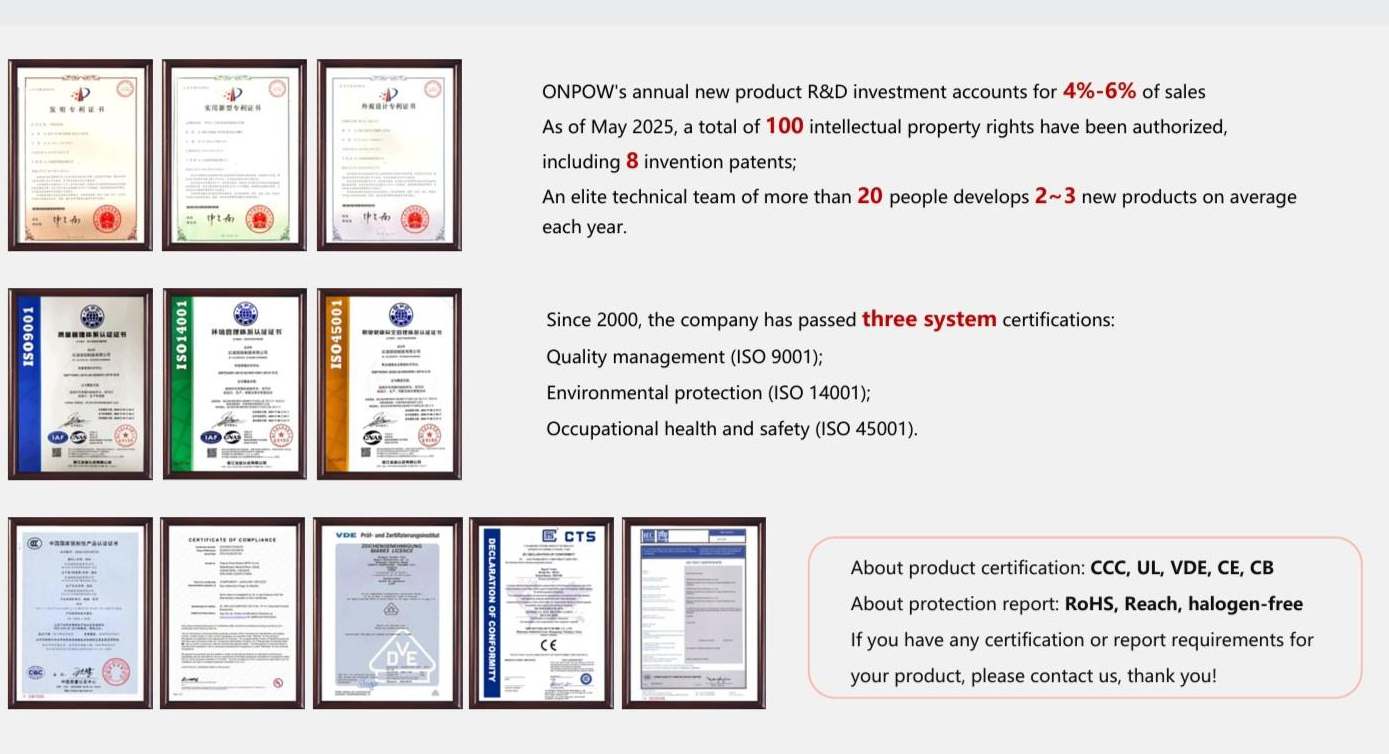
Product certification is another important factor that should not be overlooked during procurement. Different regions and industries may require specific safety certifications. Push button switches that comply with recognized standards provide stronger assurance in terms of quality, safety, and regulatory compliance.
This is especially important for export products, quality inspections, or industries with strict entry requirements, helping reduce potential operational risks.
6. Additional Factors: Materials, Lifespan, and Contact Structure
Beyond the key parameters above, other factors—such as housing materials, mechanical lifespan, contact configuration, and color combinations—can also be refined based on specific application needs.
Choosing a push button switch should not rely solely on appearance or price. Starting with the installation size and then evaluating functionality, environmental conditions, electrical parameters, and certification requirements will help ensure that the selected product is reliable, compatible, and suitable for the equipment.



